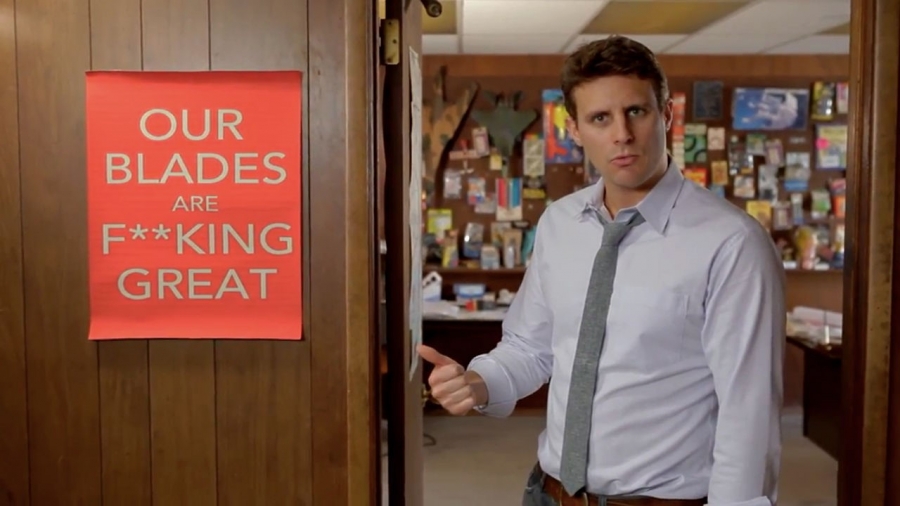
How the Dollar Shave Club re-imagined market boundaries
When it comes to change management and innovation strategy, companies don’t have to make the choice between jumping into something completely new or standing still. Instead, you can adopt a more gradual approach, which I call ‘3 levels of blue waters’”

Creating Blue Oceans at Market Intersections
There is a really exciting frontier for innovation that more and more companies are discovering. It is at the intersection of market spaces and industries, propelled by seemingly unrelated companies coming together and co-creating. In fact, I label such innovations true ‘blue oceans’, because they establish completely new market offerings.

What business are you really in?
One of the key, strategic questions that leaders of any company must continuously ask is ‘What business are we really in?’ Repeatedly re-examining and transforming the definition of what you do leads to the discovery of new market spaces and ongoing relevance.

Featured once more in Russian media
I am pleased to share a new article that appeared in the Russian media about me. It is an interview conducted by the prominent high-tech journal, Kommersant.

One man’s trash is another man’s treasure
A principal tenet of The Slingshot Framework is to sidestep outright invention, which is resource intensive, time consuming, and risky. Rather, you should innovate by combining already existing components in new, meaningful ways. One great example of this ‘innovation shortcut’ is using garbage as a resource.
Contact


